

Essential Forklift Spare Parts Explained

Forklifts are vital machines in warehouses, construction sites, and manufacturing plants. Keeping them in top condition is crucial for safety and efficiency. One key aspect of forklift maintenance is understanding the essential forklift replacement components. Knowing these parts helps you identify what needs repair or replacement, ensuring your forklift runs smoothly and lasts longer.
Understanding Forklift Replacement Components
Forklift replacement components are the parts that wear out or break over time and need to be replaced to keep the forklift operational. These parts range from small items like filters to major components like engines or hydraulic systems. Regular inspection and timely replacement of these components prevent costly downtime and accidents.
Some of the most common forklift replacement components include:
Forks: The metal arms that lift and carry loads. They must be strong and free from cracks or bends.
Hydraulic cylinders: These control the lifting and tilting functions. Leaks or damage can reduce lifting power.
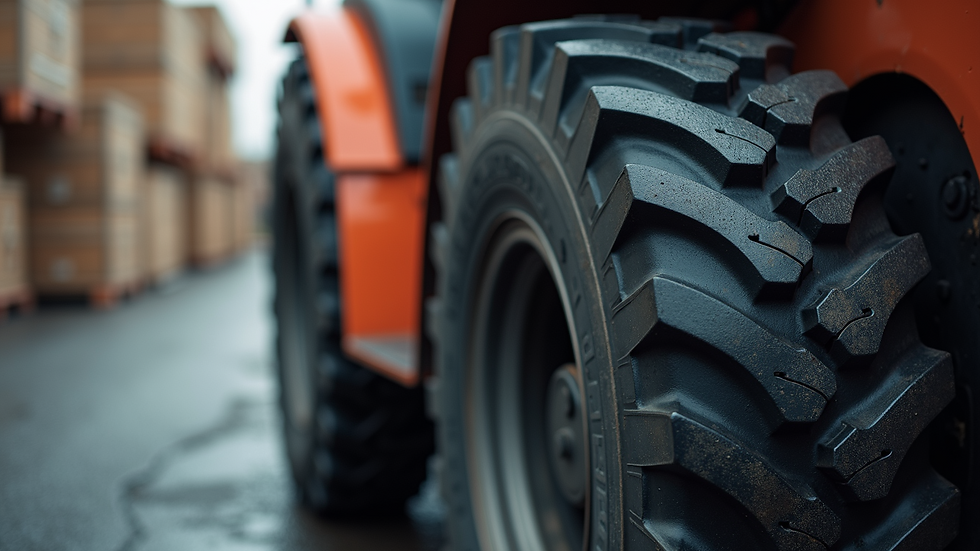
Tires: Depending on the surface, forklifts use pneumatic or solid tires. Worn tires affect stability and traction.
Mast assembly: The vertical structure that supports the forks. It includes chains, rollers, and rails that need lubrication and inspection.
Brakes: Essential for safety, brakes must be checked regularly for wear and replaced as needed.
Regular maintenance schedules should include checking these components to avoid unexpected failures.

Key Forklift Replacement Components to Monitor
To maintain forklift performance, focus on these critical replacement components:
Engine and Transmission Parts
The engine powers the forklift, and the transmission transfers that power to the wheels. Common replacement parts here include:
Filters (air, oil, fuel): Dirty filters reduce engine efficiency.
Spark plugs (for gas forklifts): Worn plugs cause misfires.
Belts and hoses: Cracks or wear can lead to breakdowns.
Clutch and gears: These wear with use and affect shifting.
Replacing these parts on schedule improves fuel efficiency and reduces emissions.
Hydraulic System Components
Hydraulics control lifting and steering. Key parts include:
Hydraulic fluid: Must be clean and at the right level.
Seals and hoses: Prevent leaks and maintain pressure.
Pumps and valves: Ensure smooth operation of lifts and tilts.
Leaks or damaged parts can cause slow or jerky movements, risking load drops.
Electrical System Parts
Modern forklifts rely on electrical systems for ignition, lighting, and controls. Important components are:
Batteries: Should be charged and replaced when capacity drops.
Wiring and connectors: Corrosion or damage can cause shorts.
Switches and sensors: Faulty parts affect safety features.
Regular checks prevent unexpected power failures.

How to Choose Quality Forklift Replacement Components
Selecting the right replacement parts is essential for safety and longevity. Here are some tips:
Use OEM parts when possible: Original Equipment Manufacturer parts fit perfectly and meet safety standards.
Check compatibility: Ensure parts match your forklift model and specifications.
Consider quality certifications: Look for ISO or other industry certifications.
Buy from reputable suppliers: Trusted vendors provide warranties and support.
Avoid cheap, unbranded parts: They may save money upfront but can cause failures and higher costs later.
For reliable options, explore forklift spare parts from established suppliers who specialize in forklift components.
Maintenance Tips to Extend Forklift Component Life
Proper maintenance can significantly extend the life of your forklift replacement components. Follow these practical tips:
Regular inspections: Check forks, tires, brakes, and hydraulics daily or weekly.
Keep parts clean: Dirt and debris accelerate wear.
Lubricate moving parts: Use recommended lubricants on chains, rollers, and joints.
Monitor fluid levels: Check hydraulic fluid, engine oil, and coolant regularly.
Train operators: Proper use reduces strain on parts.
Schedule professional servicing: Annual or biannual checkups catch issues early.
Implementing these steps reduces downtime and repair costs.
Signs You Need to Replace Forklift Components
Recognizing when parts need replacement is key to avoiding accidents and breakdowns. Watch for these signs:
Unusual noises: Grinding, squealing, or knocking sounds.
Slow or jerky movements: Hydraulic or transmission issues.
Visible damage: Cracks, bends, or leaks.
Reduced performance: Lower lifting capacity or speed.
Warning lights or error codes: Electrical or sensor problems.
If you notice any of these, inspect the relevant components and replace them promptly.
Keeping Your Forklift Running Smoothly
Understanding essential forklift replacement components helps you maintain your equipment effectively. Regular checks, quality parts, and timely replacements ensure safety and productivity. Whether you manage a warehouse or a construction site, investing in the right components and maintenance practices pays off with fewer breakdowns and longer forklift life.
For more information on sourcing quality parts, visit forklift spare parts suppliers who can guide you to the best solutions for your forklift needs.


Comments